

Genetics and AMD: What Your Family History Says About Your Risk
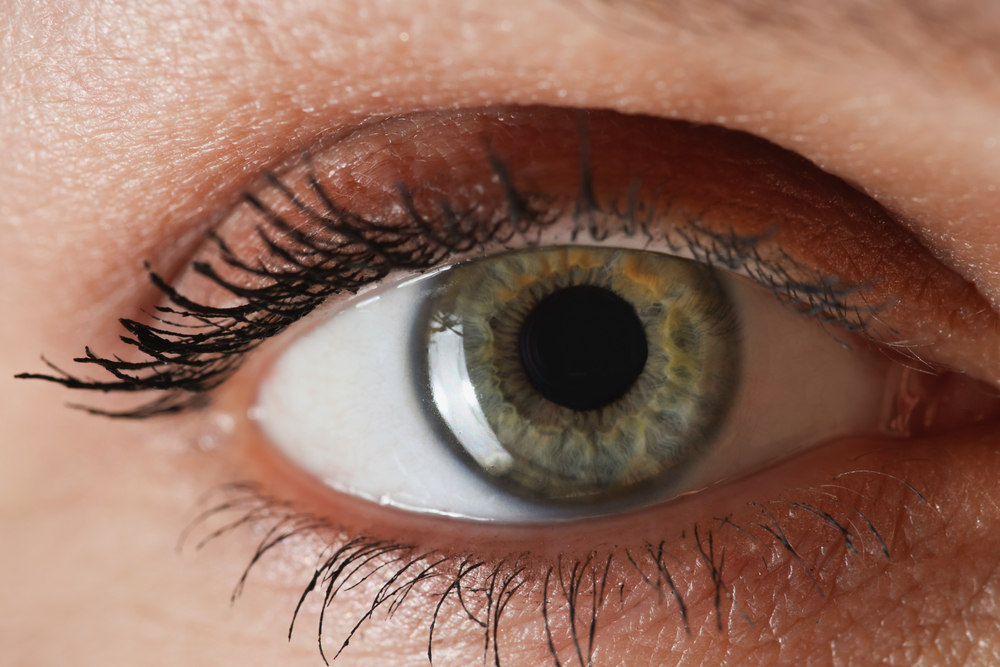
Age-related macular degeneration (AMD) causes vision loss in people over 60 by damaging the macula, which is the part of the retina responsible for sharp central vision. As AMD progresses, daily activities such as reading and driving can become more difficult. Understanding your family history can offer reassurance and help you feel empowered to know your risk.
The Relationship Between Genetics and AMD
AMD does not pass directly from parent to child like some diseases. If your parent has AMD, it does not guarantee you will get it. Still, genetics plays a role. Certain gene variants can increase a person’s risk of developing AMD. The strongest links are in genes related to the complement system, which is part of the immune system. Changes in genes such as CFH are associated with a higher risk of AMD.
Genetics is just one part of the story. They combine with other risks like age, smoking, and diet. The good news is that someone with a genetic risk might avoid AMD by not smoking and eating well. Likewise, a person with little genetic risk could still get AMD if other factors are present. Remember, your risk comes from a mix of genes, environment, and lifestyle, and you have some control over many of these factors.
Research shows that combining genetic testing, family history, and other risk factors helps predict who might develop advanced AMD. This knowledge can help people feel more prepared to take positive steps, as those with the highest combined risk are over five times more likely to progress than those with the lowest risk.
What Your Family History Says About Your Risk
- Having One Close Relative With AMD Raises Your Risk
If your sibling or parent has AMD, your risk increases. Still, it’s important to remember that it simply means being a bit more watchful, not that you will definitely develop AMD. Studies show that having one family member with AMD raises your risk by about 20% compared to people with no family history.
- Having Two or More Close Relatives Increases Risk Even More
Having two or more close relatives with AMD raises your risk by over 50% compared to someone with no family history. This may sound concerning, but knowing this can help you stay proactive and make caring choices for your eye health.
- Family History Predicts Progression, Not Just Onset
Family history affects both your chances of getting AMD and how quickly it can get worse. The good news is that, even if studies show that people with a family history of AMD often progress faster, you can still take steps to help protect your vision when other factors are present.
- Genetics and Family History Work Together
Family history reflects both shared genes and shared environments. Relatives may have similar genetic risks, but they can also share habits like smoking or eating the same foods. When researchers use both genetic testing and family history, they can more accurately predict the development of advanced AMD.
- Family History Is Not a Guarantee
Having a family history does not mean you will definitely get AMD. Many people with affected parents never develop the disease, and some people with no family history still get it. Family history is just one part of your overall risk, so take comfort that you have the power to make healthy choices.
- Knowing Your Family History Helps You Take Action
Knowing your family history is not meant to cause worry. It empowers you to take action for your well-being. If you know you are at higher risk, you can make changes to lower it. You can quit smoking, eat more leafy greens and fish, and stay active. Most importantly, remember to get regular eye exams. Taking small steps can help protect your vision.
- Talk to Your Family
Ask your relatives if anyone has AMD or other eye diseases. This information helps your eye doctor decide how often you should have exams and assess your risk. If these conversations feel new, remember you are not alone; many families do not discuss eye health, and AMD can go undiagnosed for a long time. Asking shows you care about yourself and your loved ones.
For more on genetics and AMD, visit Orange Plaza Optometry in Redlands, California. Call (909) 335-0300 to schedule an appointment.
https://www.aao.org/eye-health/tips-prevention/six-things-about-amd
https://www.sciencedirect.com/science/article/abs/pii/S0002939423002507


Contact Info
Office Address: 458 Orange Street
Redlands, CA 92374
Redlands, CA 92374
Call Or Text (909) 335-0300
Office Hours
- Monday 9:00am - 5:00pm
- Tuesday 9:00am - 4:00pm
- Wednesday 9:00am - 5:00pm
- Thursday 9:00am - 5:00pm
- Friday 9:00am - 4:00pm
- Saturday Closed
- Sunday Closed
© 2026 Orange Plaza Optometry. All rights Reserved. Accessibility Statement - Privacy Policy - Terms and Conditions - Sitemap
Powered by:
